Employee wellness refers to the various initiatives, programs, and strategies implemented by organizations to support and improve the physical, mental, and emotional well-being of their workforce. It goes beyond basic occupational health and safety to actively promote a healthy lifestyle and a positive working environment.
A comprehensive employee wellness approach typically covers several key areas:
1. Physical health: Encouraging regular physical activity, proper nutrition, hydration, and preventive healthcare.
2. Mental well-being: Managing workplace stress, preventing burnout, supporting work-life balance, and providing access to mental health resources.
3. Social connection: Fostering positive relationships among colleagues, team-building activities, and open communication channels.
4. Financial and ergonomic wellness: Supporting overall life stability, financial literacy, and comfortable, safe workspaces—whether in an office or working remotely.
Here is a step-by-step guide to organizing one:
• Set a Goal: Determine the focus of the challenge—such as physical activity, stress management, better sleep, nutrition, or mental well-being.
• Choose a Relevant Theme: Select a theme that suits the current season or work environment (whether in-person or remote)—for example, a ‘Step Count Challenge,’ ‘Mindfulness Week,’ or ‘Hydration Tracker.’
• Ensure Accessibility: Make the rules simple enough so that every employee can participate, regardless of their individual fitness level.
• Set a Timeframe: Avoid making the challenge too long; a duration of 2 to 4 weeks is generally ideal for maintaining participation.
• Digital or Manual Trackers: Use a wellness app, a Google Sheet, or a form to allow employees to easily log their progress.
• Maintain Transparency: Use a shared leaderboard or provide weekly updates to keep everyone motivated.
• Group/Team Activities: In addition to individual participation, organize employees into small teams. This helps strengthen social connections among colleagues.
• Virtual or Informal Chat Spaces: Create a dedicated chat group—whether for a remote or in-office workforce—where participants can share photos, tips, and personal experiences.
• Small and attractive rewards: Offer wellness kits, gift cards, or special recognition to both winners and consistent participants.
• Appreciation: Acknowledge the efforts of participants in the company newsletter or during town hall meetings.
Organizations often structure these efforts through wellness programs that may include health screenings, fitness challenges, workshops, flexible working models, and counseling support. The goal is to create a supportive culture where employees feel valued, leading to higher engagement, reduced absenteeism, and a more productive work environment.
Organizing a successful and effective wellness challenge requires clear planning, team engagement, and consistent encouragement.
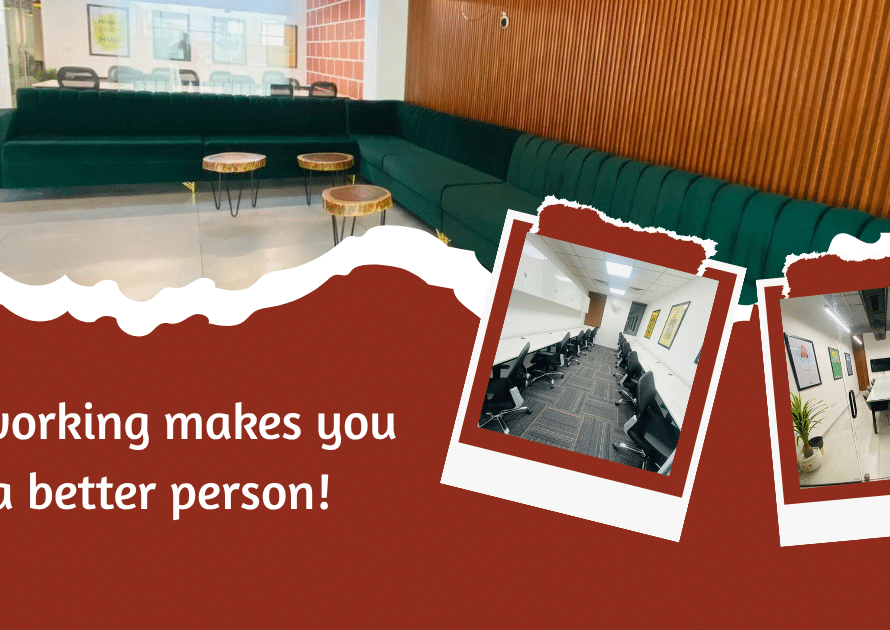
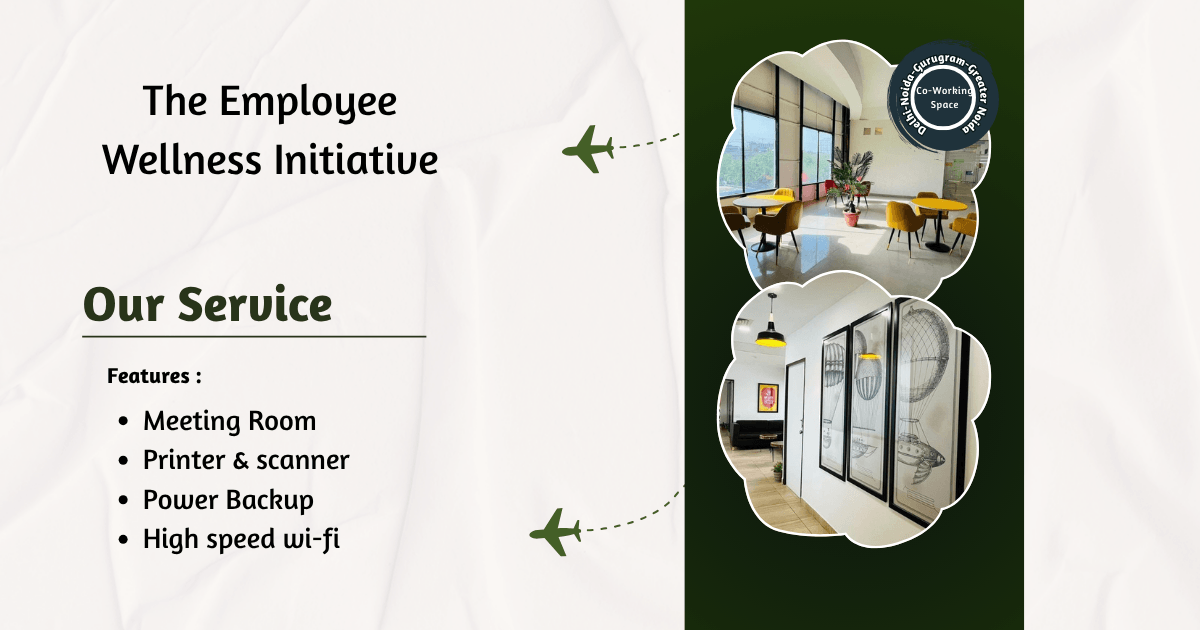
At supremework, wellness is at our core. It’s in everything we do just not say. We offer the next generation of coworking space. We want wellness to be convenient for our members.
Supremework offers Grade A infrastructure at a price that makes financial sense for businesses under a big team, central rail and metro connectivity that serves a broader talent base, and a commercial address in Delhi that holds up in client meetings.